Gaming PC RAM: Powering Performance and Creative Workflows
While the core image of gaming PC RAM is one of technical specification—latency timings, clock speeds, and dual-channel configurations—its role in the modern digital workspace transcends the arena of high-frame-rate battles. For the creative professional, entrepreneur, or serious hobbyist, a robust gaming PC RAM setup is less about virtual conquests and more about conquering real-world creative bottlenecks. It is the silent, rapid facilitator that allows ideas to flow into tangible results without frustrating interruptions.
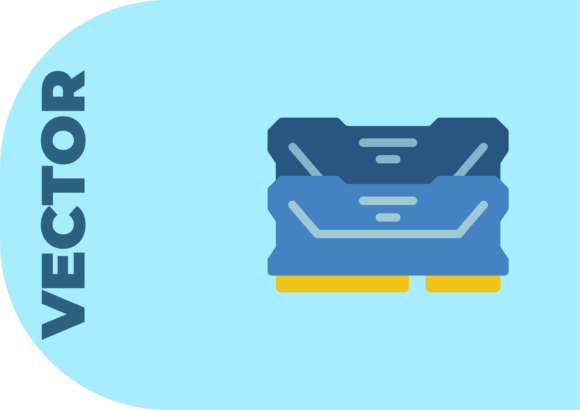
Understanding gaming PC RAM, or Random Access Memory, is understanding the principle of active workspace. Your system's RAM acts as the immediate, short-term memory where your computer holds the data it is actively using or processing. When you render a complex illustration, compile a video edit, manage a sprawling spreadsheet, or run multiple applications for research, your gaming PC RAM is the stage where all these elements perform simultaneously. More capacity and higher speed mean a larger, faster stage, preventing the slowdowns and crashes that disrupt creative momentum.
Beyond Gaming: The Creative Engine in Your Machine
The specifications that make gaming PC RAM excellent for gaming—high frequency, low latency, and ample capacity—are precisely what empower demanding non-gaming applications. This is where the utility becomes profoundly interesting. For a designer working with high-resolution PNG files or vector EPS assets, like those included in a professional illustration pack, sufficient RAM ensures that applications like Adobe Illustrator or Photoshop operate smoothly. Layers, effects, and complex paths are managed in real-time, allowing for fluid experimentation without constant recourse to the slower permanent storage of your hard drive or SSD.
Consider the process of receiving a zip file containing dozens of high-resolution illustration assets. To efficiently sort, preview, and potentially batch-process these files while also having a web browser open for inspiration and a communication app running for client feedback, you need a system that doesn't falter under multitasking. A gaming PC RAM configuration, often 16GB or 32GB in modern systems, provides that headroom. It turns your computer from a single-task tool into a multifaceted creative studio.
Adapting RAM Performance to Diverse Professional Goals
The application of a powerful gaming PC RAM setup varies beautifully across the spectrum of users identified. A marketer might leverage it to run analytics software, graphic design tools, and video editing suites simultaneously to produce a cohesive campaign package. An educator or publisher could use it to handle large research databases, authoring software, and asset libraries while preparing educational materials. For a freelancer or small business owner, this capacity means being able to switch between invoicing software, project management tools, and creative suites without performance decay, maximizing productive hours.
Even the act of managing and utilizing those high-quality PNG and EPS illustrations directly benefits from ample RAM. Opening multiple large files to compare styles, compositing elements in a new document, or running a script to automate certain edits all consume memory. With inadequate RAM, these tasks become sluggish, turning creative exploration into a waiting game. The "much higher quality than the preview" final assets deserve a system that can present and manipulate them at their full fidelity.
Practical Inspiration: Project Ideas Enabled by Robust RAM
Let's ground this in some realistic project examples where gaming PC RAM serves as a critical enabler.
- Multi-Asset Brand Identity Development: A designer creating a full brand package might work with hundreds of vector EPS logo variations, high-resolution PNG mockups, and textured backgrounds concurrently. Fast RAM allows for instant switching between these assets and the main design document, facilitating rapid iteration and consistency checks.
- Dynamic Content Creation for Blogs & Social Media: A blogger or content creator could use illustration assets to produce a series of featured images, infographics, and short video clips. With sufficient RAM, they can keep their video editor, graphic software, and content planning dashboard open, seamlessly moving assets between platforms to maintain a consistent visual theme across formats.
- Educational Resource Compilation: An educator compiling a digital textbook or course module might integrate provided illustrations with text, interactive elements, and narration tracks. Smooth operation of authoring software like Adobe InDesign or Canva, alongside audio editing and reference browsers, requires a stable memory foundation to keep the project organized and fluid.
In each case, the goal is not just to complete a task, but to explore creative possibilities within it. The absence of technical lag—thanks to capable gaming PC RAM—means you can try different compositions, apply filters to see their effect, or quickly test an illustration in multiple context mockups without the process feeling punitive. This encourages useful creativity, leading to more original and effective final outcomes.
Maintaining Clarity and Effectiveness in Your Workflow
Powerful hardware is a tool, not a guarantee. To keep results organized and audience-friendly, structure must accompany speed. When working with a wealth of assets from a bundle, use your system's capability to help you categorize. You could have folders open for different asset styles while your design software runs, using the RAM's multitasking strength to keep your digital workspace as tidy as your creative vision. Consistency in output is easier when you can swiftly reference all your source materials without closing primary applications.
Furthermore, the high-quality output you receive—those watermark-free, high-resolution PNGs and vector EPS files—should be matched by your system's ability to output high-quality work. Rendering a final video, exporting a print-ready PDF, or publishing a web-optimized image set are all final processes that can strain a system. A robust gaming PC RAM configuration helps ensure these final export stages are quick and reliable, preserving the integrity of your creative work from first sketch to final delivery.
Tailoring the Setup to Your Specific Context
The needs of a hobbyist exploring digital art for pleasure differ from a marketing agency producing client work under deadline. The principle, however, remains: match your gaming PC RAM investment to your operational scale. For someone starting, 16GB of fast DDR4 or DDR5 RAM might provide the perfect balance, enabling serious creative work without over-investment. For a professional running virtual machines, 3D rendering alongside graphic design, or large-scale data analysis, 32GB or more becomes a practical necessity, not an luxury.
This adaptability is key. The same core component—gaming PC RAM—serves different interpretations based on user goals. For the entrepreneur, it's about efficiency and capability to handle diverse tasks. For the creator, it's about removing technical barriers to artistic expression. For the educator, it's about compiling complex materials without frustration. In all contexts, it’s about maintaining a clear, effective, and original workflow where the technology supports the human idea, not hinders it.
Ultimately, viewing gaming PC RAM through this lens transforms it from a gaming accessory into a universal productivity and creativity amplifier. It is the component that ensures your software tools respond instantly, your asset libraries are accessible, and your multifaceted projects coexist peacefully in your digital environment. When you next open a zip file of illustrations, ready to turn those high-resolution PNGs and scalable vectors into something new, remember that the smoothness of that journey from inspiration to finished project is often powered by the silent, rapid work happening in your system's memory. Investing in that capability is investing in the uninterrupted flow of your own creativity.