Unlock Creative Potential with Include Gaming
The digital creative landscape thrives on versatile assets. An SVG file, a DXF, an EPS, and a high-resolution PNG – each format unlocks a different door to design software. But what transforms these technical specifications into a genuinely useful creative tool? It begins with a compelling concept. Include Gaming is a thematic idea and a multi-format asset pack designed to inspire projects that bridge creativity with the expansive, engaging world of gaming culture.
The Core Idea: A Gateway to Gaming-Themed Creativity
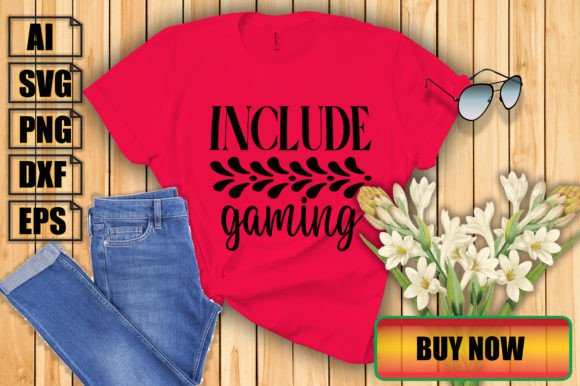
At its essence, Include Gaming provides a foundational visual element that can be adapted, deconstructed, and reinterpreted. It’s not merely a graphic; it’s a starting point. The included files ensure compatibility across the professional and hobbyist spectrum: the SVG for universal vector editing, the DXF for Silhouette users, the EPS for advanced vector programs, and the 300dpi PNG for immediate high-quality digital use. This multi-format approach means the idea isn’t locked behind software barriers. Whether you're a marketer crafting a campaign, a designer creating merchandise, or an educator developing engaging materials, you begin with a compatible asset that speaks to a widely understood theme.
What makes Include Gaming particularly interesting is its inherent flexibility. The “gaming” theme is vast, encompassing video games, tabletop games, esports, game development, and playful abstraction. This breadth allows creators to steer the asset toward specific niches or broader interpretations. It can symbolize competition, strategy, entertainment, community, or technology, depending on the context you build around it.
Creative Applications and Project Directions
Moving from the asset to application requires a shift in thinking: how can this be used to communicate, decorate, or enhance? Let’s explore practical directions.
For Branding and Marketing
Freelancers and small business owners operating in the gaming space – from indie game developers to esports cafes – can leverage Include Gaming as a branding component. The vector files allow seamless integration into logos, website headers, or app icons. A marketer might extract a portion of the design to create consistent social media banner templates or email newsletter graphics. The key is adaptation. Resize elements, change color schemes to match your brand palette, and combine it with typography that reflects your company’s voice. For a retro game review blog, you might pair it with a pixel-font. For a modern tech gaming podcast, a sleek, minimalist typeface would work better. This maintains originality while ensuring the asset serves your specific audience.
For Physical Creation and Merchandise
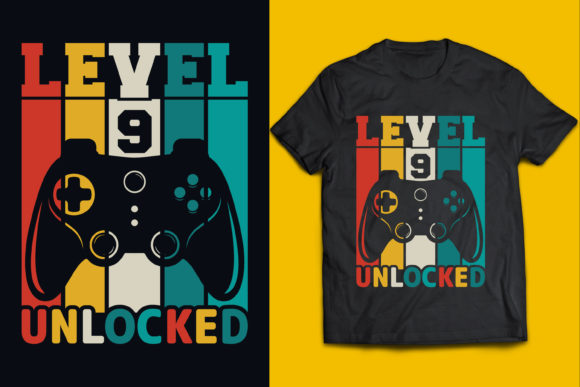
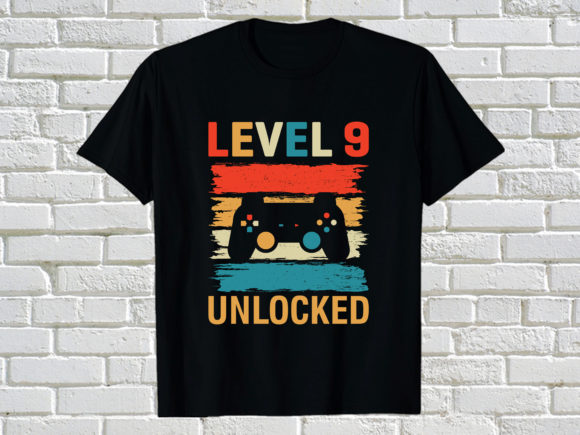
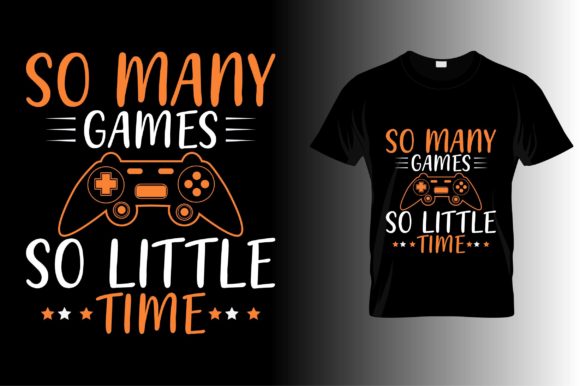
The DXF and SVG files are direct gateways to physical creation. Hobbyists with cutting machines can produce custom stickers, vinyl decals for laptops or gaming consoles, or intricate stencils for custom-painted controller shells. Entrepreneurs can explore merchandise like T-shirts, tote bags, or laser-engraved acrylic keychains. Here, practicality is paramount. Use the high-resolution PNG for direct printing mock-ups. For cutting, ensure your design software settings match your material – simplify complex paths in the SVG if needed for clean vinyl cuts. This transforms a digital file into a tangible product that resonates with a community.
For Digital Content and Education
Bloggers, publishers, and educators can use Include Gaming to visually anchor content. An article series on game design principles could use a stylized version of the asset as a recurring header graphic. A video tutorial on streaming setup might feature the PNG as a watermark or channel art. Educators creating lesson plans about probability could incorporate game-themed graphics to make worksheets more engaging for students. The goal is audience-friendly clarity. In digital content, scale the asset appropriately so it complements text without dominating it. Always consider the platform: a detailed EPS-derived graphic might be perfect for a downloadable PDF resource, while a simplified version works better for a mobile-friendly webpage.
Adapting the Concept for Different Audiences
The real power of a versatile asset lies in its ability to be reinterpreted. A graphic aimed at a general audience can be specialized through context.
For a professional designer using Adobe Illustrator or Corel Draw, the EPS and SVG files offer full control. They might deconstruct the graphic, using individual shapes as modular components in a larger interface design for a gaming app, ensuring visual consistency across screens. They could apply gradients, mesh tools, or 3D effects to create a unique rendition that fits a client’s cutting-edge brand.
For a hobbyist or crafter using free Silhouette software, the DXF file is the key. Their project might be more personal – creating custom gifts for a gaming group or decor for a game room. Success here depends on organizing the design. They might focus on a single, clear silhouette from the asset for a clean cut, or layer different colored vinyls to recreate a more complex design. Keeping the result effective means testing cuts on scrap material first.
For a content creator or marketer, the PNG with its transparent background offers speed. They can quickly overlay it onto campaign images, video thumbnails, or presentation slides. Their adaptation is about integration. They might adjust opacity to make it a subtle background texture, or combine it with photos of gaming hardware to create composite images for social media ads. The recommendation is to maintain a consistent style across a campaign—using the same color-modified version of the asset in all related materials to build recognition.
Balancing Inspiration with Practical Guidance
Inspiration opens doors; practical steps help you walk through them. Start by assessing your end goal. Is it a digital ad, a physical product, or a blog graphic? Then, choose the file format that best suits your primary software. Open the vector file (SVG, EPS, DXF) in your program and explore its structure. Grouped paths? Individual shapes? Understanding this anatomy lets you modify efficiently.
For creative variation, consider these approaches:
- Color Theory: Recolor the asset to evoke different moods. Dark blues and purples for a mysterious, adventure-game feel. Bright, energetic neons for an esports theme. Pastels for a casual, playful approach.
- Style Fusion: Combine elements of Include Gaming with other visual styles. Merge it with geometric patterns for a modern look, or with distressed textures for a grunge, retro aesthetic.
- Minimalism vs. Detail: For a clean, minimalist application, use only the core silhouette or a single defining element. For a detailed, intricate project, utilize the full complexity of the vector design.
Finally, keep results audience-friendly by always asking: “Does this communicate clearly?” A busy, overly modified graphic might lose its thematic connection. A perfectly cut vinyl decal might fail if its design is too intricate for the scale. Ground your creativity in the purpose of the project. Include Gaming is your raw material; your skill, software, and intent are the tools that shape it into something uniquely valuable for your viewers, customers, or community.