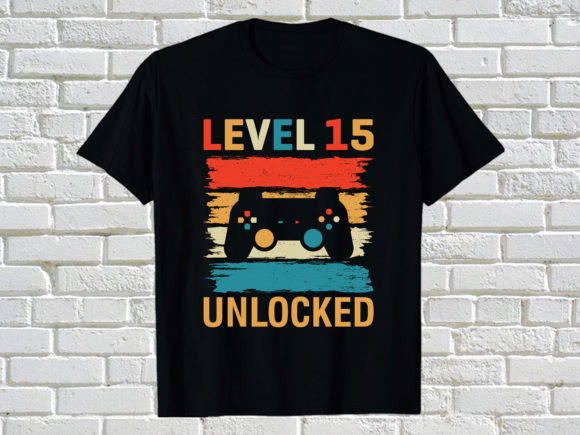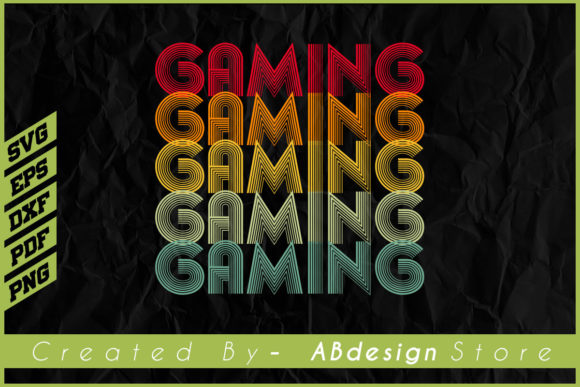
The Strategic Application of Retro Gaming Design
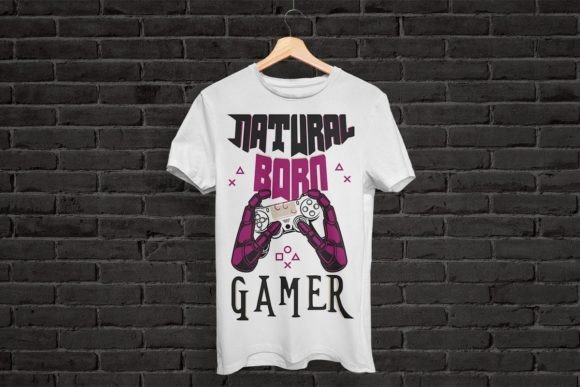
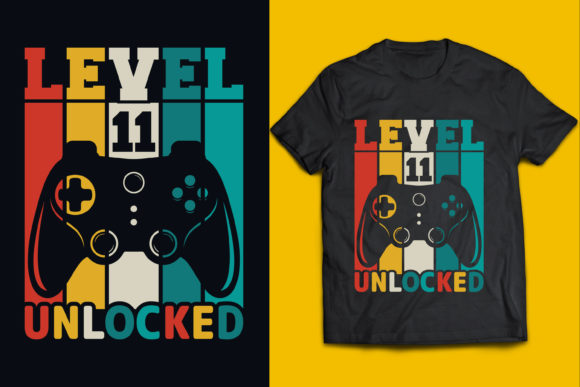
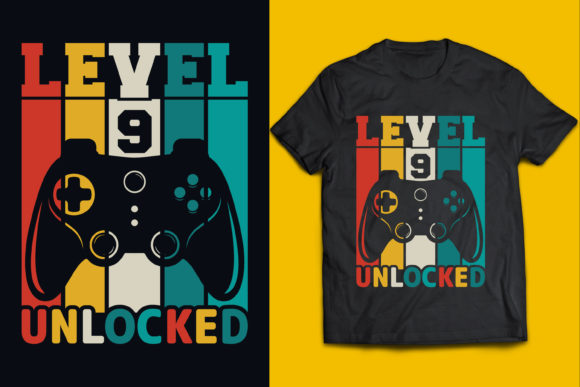
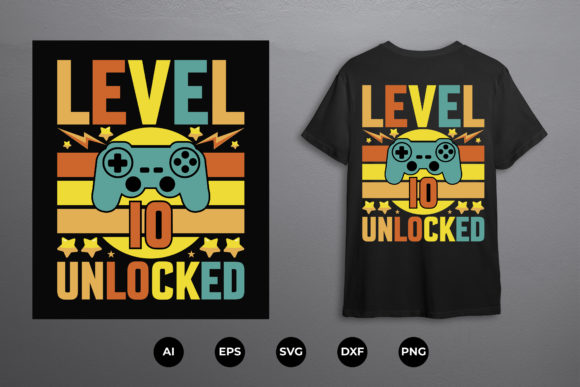
At its core, Gaming Design is more than nostalgic artwork; it is a deliberate visual language steeped in cultural recognition and emotional resonance. For creators and businesses, leveraging retro gaming design transcends mere decoration. It represents a calculated aesthetic choice that taps into powerful collective memory, fostering immediate connection and engagement. When deployed with strategic intent, this specific genre of design becomes a versatile asset for communication, branding, and creative production.
Why Retro Gaming Design Offers Strategic Utility
Strategic utility arises from elements that serve a purpose beyond aesthetics. Retro gaming design, characterized by its pixelated forms, bold color palettes, and iconic motifs from 80s and 90s gaming culture, carries inherent strategic value. First, it acts as a universal shorthand for fun, challenge, and digital adventure. This allows entrepreneurs and marketers to instantly infuse a project or product with those associations. Secondly, its stylistic clarity—with clean lines and often simplified shapes—makes it exceptionally adaptable across mediums, from physical decals to digital printables. This adaptability is a key operational advantage, enabling a single cohesive design asset to serve multiple channels and product lines.
Consider the long-term value of building a visual library around such a theme. For a small business focusing on niche markets—like custom apparel or specialty stationery—consistently using retro gaming design can solidify brand positioning as playful, authentic, and tech-savvy. It supports a coherent customer experience where every touchpoint, from an online store banner to the vinyl decal on a purchased product, feels part of a recognizable world. This cohesion builds trust and reinforces brand identity.
Planning Your Use of Gaming Design Assets
A thoughtful approach begins with goal alignment. Before utilizing a retro gaming design file, clarify its role in your broader plan. Is it primarily for branding enhancement, to make your social media content more distinctive? Is it for product creation, such as designing a line of stickers or printable invitations? Or is it for internal communication, perhaps to create engaging training materials or office decorations that boost team morale? Defining this upfront prevents random application and ensures every use delivers intended results.
Key Considerations for Implementation
- Context Relevance: Ensure the gaming theme aligns with your audience’s interests and your content's message. A pixel-art design on a corporate financial report may confuse, whereas on a game developer’s conference invitation, it excels.
- File Format Strategy: The availability of both editable AI files and print-ready PNGs is a significant strategic resource. Use the AI file for long-term planning: adapting colors, scaling for different products (clothes printing vs. card design), or creating derivative works. The 300 DPI PNG is your operational asset for immediate, high-quality production across platforms like scrapbooking or engraving.
- Scalability and Consistency: The 15x18 px sizing in its core form speaks to its pixel-perfect origins. When scaling, maintain the integrity of the design. Use the vector AI file to ensure crisp output at any size for vinyl decals or large format prints, preserving brand quality.
Practical Applications Across Creative and Business Goals
The provided digital design files unlock numerous practical avenues. Each application can support specific goals.
For creativity and productivity, using these designs as templates or elements in scrapbooking or custom card creation can streamline the creative process. Having a ready-made, high-quality asset saves valuable time, allowing hobbyists and freelancers to focus on composition and personalization rather than foundational artwork. For marketing and customer engagement, applying these designs as iron-on transfers for limited-edition apparel can create buzz and foster community. A thoughtfully designed sticker or vinyl decal based on retro gaming art becomes a tangible piece of brand loyalty.
In learning and communication, educators or workshop creators might incorporate these transparent PNGs into presentations or printable materials to make complex tech topics more approachable and visually engaging. The familiar aesthetics can lower barriers to entry and enhance information retention.
Risks of Uncontextualized Use
While versatile, gaming design is not a universal solution. The primary risk lies in applying it without clear goals or context, which can dilute its impact and confuse your audience. Overuse without a strategic filter can make a brand seem kitschy or one-dimensional. Furthermore, relying solely on such themes without complementing them with solid content, customer service, or product quality is a misstep. The design should enhance a valuable core offering, not substitute for it.
Moving Beyond Random Use: An Intentional Framework
To leverage gaming design intentionally, adopt a framework of purposeful selection. Start with your outcome: what emotion or action do you want to elicit? Then, select and modify the design asset to serve that outcome. For example, if your goal is to evoke nostalgia and trust for a retro gaming blog, use the AI file to create a consistent header, social media graphic, and printable decoration for reader downloads. This integrated approach makes the design a functional part of your operational ecosystem.
Another aspect of intentional use is adaptation. The editable AI file invites you to tailor the design. Perhaps you adjust colors to match your brand palette for clothes printing, or isolate specific elements to create a simpler variant for engraving on smaller items. This thoughtful modification ensures the asset feels uniquely yours while retaining its powerful recognizability.
The Long-Term Value of a Cohesive Visual Asset
Investing in a well-crafted, multi-format gaming design file is an investment in future creative and business agility. A single asset that provides both a scalable vector source and ready-to-use high-resolution outputs simplifies planning and reduces long-term production costs. It enables you to react quickly to new opportunities—launching a new product line like stickers or invitations—with a consistent visual identity already in hand.
Ultimately, the strategic power of retro gaming design lies in its dual nature: it is both a evocative connector to a shared culture and a pragmatically adaptable tool. By aligning its use with clear goals, thoughtful planning, and an understanding of your audience, you transform a digital design file into a reliable component for achieving better, more cohesive creative and commercial results. Its value is realized not in a single use, but in the cumulative effect of its consistent, purposeful application across your projects and brand touchpoints.