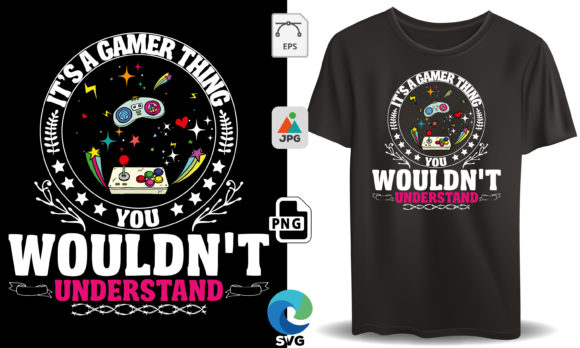
It’s a Gaming Thing You Wouldn't Understand: A Conceptual Framework for Creative Design
The phrase "It’s a Gaming Thing You Wouldn’t Understand" resonates deeply within specific communities, often serving as a playful, insider shorthand for complex passions. In the world of professional design and print-on-demand businesses, however, it transcends meme culture to become a powerful conceptual framework. It represents a niche aesthetic, a shared cultural touchstone that demands precise execution to resonate authentically with its target audience. For a designer or entrepreneur, leveraging such a specific concept isn't just about slapping text on a shirt; it’s a deliberate process that begins with a clear idea and culminates in a suite of production-ready, high-quality assets.
The Role of Conceptual Design in a Print-on-Demand Workflow
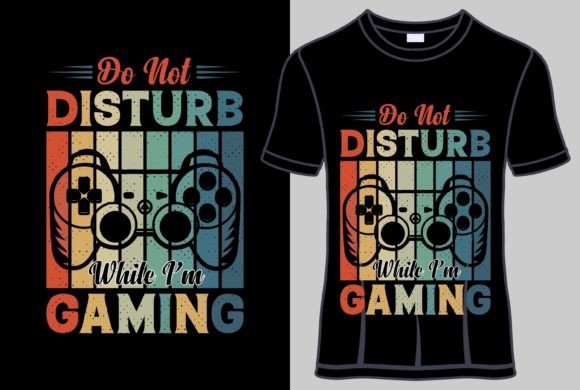
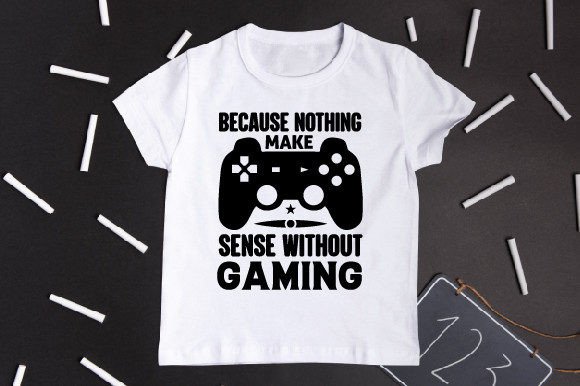
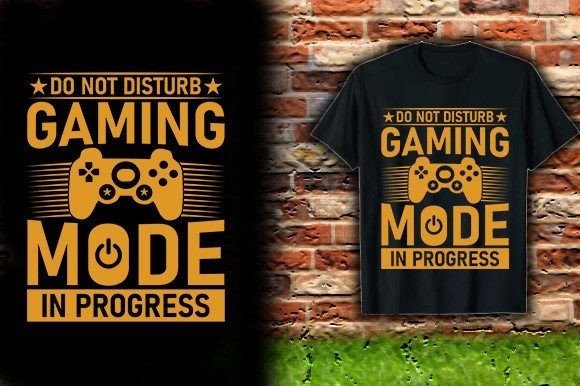
Any successful creative workflow starts with a well-defined concept. "It’s a Gaming Thing You Wouldn’t Understand" is more than a phrase; it’s a design brief in itself. It implies a style—often bold, graphic, and infused with gaming or tech culture irony. This clarity at the inception phase is critical. It dictates the tone, color palette, typography, and imagery, ensuring the final product feels cohesive and authentic rather than generic.
Where does this fit into the broader process? Typically, it sits at the very beginning, following market research and audience identification. Before any software is opened, the designer must internalize the concept. What does "gaming thing" visually evoke? Is it retro pixel art, sleek modern interfaces, or gritty tactical gear aesthetics? Defining these parameters upfront streamlines the entire subsequent creation process, preventing wasted effort on misaligned drafts.
From Idea to Asset: The Practical Execution Phase
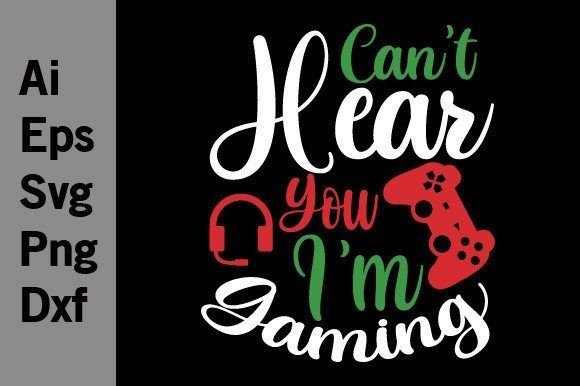
Once the concept is solidified, the practical work begins. This is where the description of deliverables—an EPS file at 4500px by 5400px, a transparent PNG at 300dpi, a JPG, and an SVG—becomes the focal point of execution. Each file format serves a distinct, crucial function within the print-on-demand and marketing workflow.
The large-scale EPS file is the foundational vector asset. Its size ensures infinite scalability without quality loss, making it essential for adapting the design to various products—from a small t-shirt print to a large poster or hoodie. Using it in Adobe Illustrator or similar vector software allows for last-minute adjustments to color or layout with perfect precision, a key factor for quality control and brand consistency across a product line.
Integration with Production Platforms and Tools
The other files interact directly with different tools and platforms. The transparent PNG at high DPI is indispensable for mockup creation. Designers overlay it onto product photos in Photoshop to generate realistic previews for store listings, social media, and marketing materials. This step is vital for customer conversion; a professional mockup sells the idea before the physical product exists.
The SVG file, being a web-friendly vector format, integrates seamlessly into modern e-commerce platforms and design software. It can be used for web graphics, scalable logos on a storefront, or even within some print-on-demand system interfaces directly. The JPG serves as a universal preview and communication asset, easily shared with clients, partners, or for quick internal reviews.
Having this complete asset bundle prepared upfront radically improves efficiency. It eliminates the need to hastily convert or generate new files when a new product type or marketing channel arises. The entire set is ready for deployment, ensuring organizational efficiency and consistency in every application.
Preparation and Quality Control for Long-Term Use
Investing in a professionally crafted, multi-format asset package from a clear concept like "It’s a Gaming Thing You Wouldn’t Understand" is a preparation step that pays long-term dividends. Compatibility is assured because the standard formats work across nearly all professional design and printing ecosystems. Usability is high because each file is created with a specific, practical end-use in mind.
For the entrepreneur, this means once the assets are received, they can be archived in a dedicated project library. When a new trend or product opportunity emerges—perhaps a new style of apparel or a seasonal promotion—the designer can quickly access the core files and adapt them, rather than starting from scratch. This approach supports a sustainable, scalable business model where foundational designs can evolve and extend over years.
Practical Implementation Tips for Creators
To smoothly integrate such a conceptual design project into your routine, start by treating the phrase or idea as a formal project brief. Write down the associated visual keywords. Next, ensure your file organization system is ready. Create a folder named for the concept and plan to store the four delivered file types there immediately. Label them clearly.
When you receive the EPS, PNG, JPG, and SVG, conduct a quick quality control check. Open the EPS in your vector software to confirm scaling and color separations. Test the PNG on a mockup template to verify the transparency is clean. This upfront verification avoids technical issues later during urgent campaigns.
Finally, map out the potential use cases. The core design might be for a t-shirt, but could the high-resolution JPG also serve as a banner ad? Could the SVG be used for a small enamel pin design later? Thinking holistically about the asset suite from day one maximizes its value and integration into your multifaceted workflow.
Beyond the Single Design: Building a Cohesive Collection
A strong concept like this often has expansion potential. "It’s a Gaming Thing You Wouldn’t Understand" could spawn a series: related phrases, complementary graphics, or color variations. The original asset package becomes the template. By using the EPS file as a base, a designer can efficiently create a whole family of products, maintaining consistent quality and style. This systematic approach turns a single idea into a branded collection, increasing market presence and customer recognition.
In essence, the journey from a niche cultural phrase to a set of polished, versatile design files epitomizes a modern creative workflow. It underscores that success in fields like print-on-demand hinges not just on a good idea, but on the meticulous process of transforming that idea into adaptable, production-ready assets. It's a process that, when executed with professional preparation and an understanding of how each component interacts with tools and platforms, turns a conceptual "gaming thing" into a tangible, sellable product—and that’s something any serious creator would understand completely.