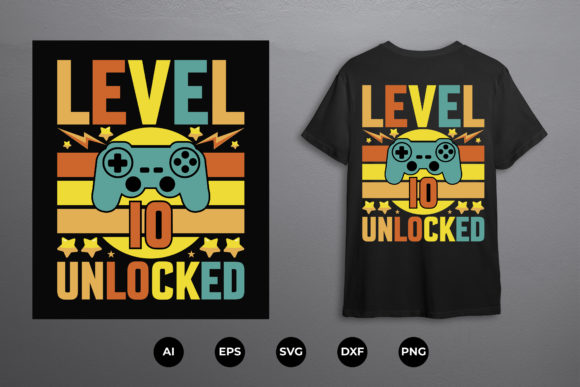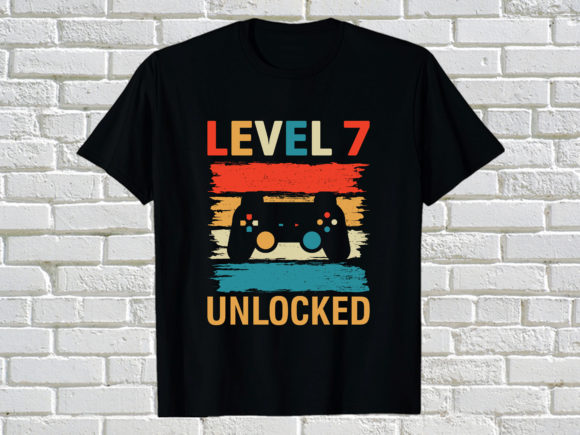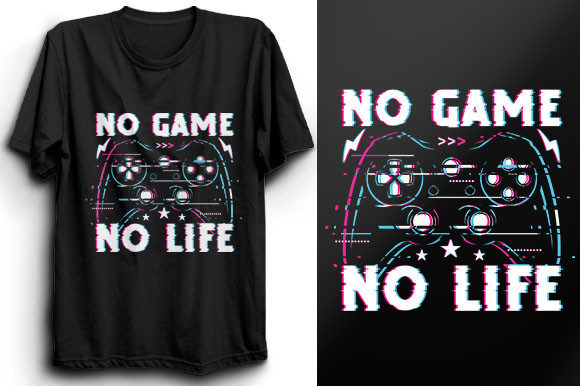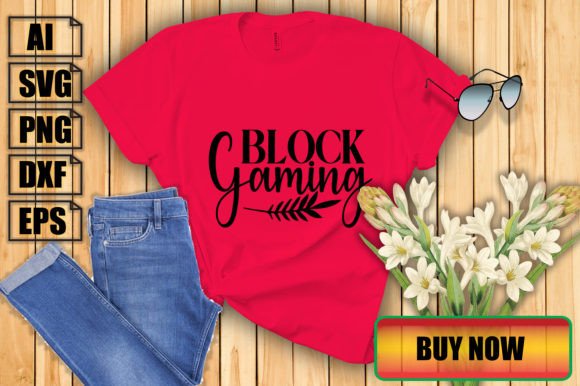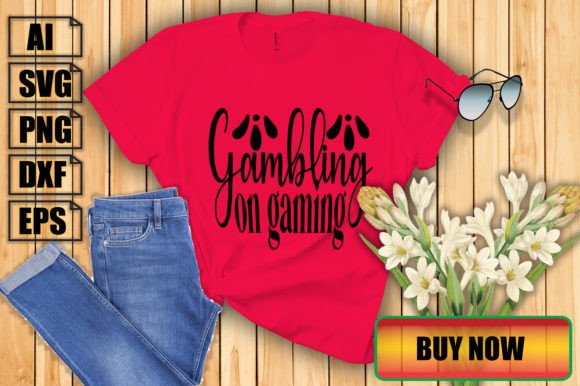
Gambling on Gaming: The Confluence of Chance and Digital Creation
The phrase Gambling on Gaming evokes a fascinating intersection of two massive industries. At first glance, it might refer to the burgeoning world of esports betting or in-game monetization that mirrors gambling mechanics. However, in the context of digital design and modern content creation, this concept takes on a more nuanced meaning. It represents the calculated risk and strategic investment creators and businesses are making by embracing gaming aesthetics, iconography, and culture within their professional workflows and commercial projects. This isn't about literal betting; it's about betting on the cultural capital and visual power of gaming as a dominant force in contemporary life.
The Relevance of Gaming Culture in Professional Spaces
Why is Gambling on Gaming relevant now? Gaming has transcended its niche hobby status to become a pervasive cultural language. Its visual style—from pixel art to sleek sci-fi interfaces, from fantasy motifs to gritty cyberpunk textures—is instantly recognizable to a global audience spanning generations. For professionals, marketers, and creators, integrating these elements is a strategic gamble that can pay significant dividends in engagement and brand relevance. It’s a way to communicate with a demographic that values digital-native experiences, a move that aligns with broader trends where work, play, and creativity increasingly blend.
Modern workflows are no longer confined to sterile corporate templates. User expectations have shifted towards dynamic, visually rich, and often interactive content. A business owner creating a promotional campaign, a blogger designing their site header, or an educator developing engaging learning materials can all benefit from the immediate familiarity and emotional resonance that gaming-inspired graphics provide. This trend mirrors lifestyle shifts where gaming is not just entertainment but a framework for understanding challenges, progression, and achievement—concepts easily translatable to business, marketing, and personal branding.
The Evolution of Assets: From Niche to Essential Toolkit
The attention paid to Gambling on Gaming has grown alongside the democratization of design software. High-quality digital assets are now the bedrock of efficient creation. This is where the practical offer of specific file formats becomes critical. When you invest in a gaming-themed design asset, you're not just getting an image; you're acquiring a versatile toolkit designed for professional integration.
What You Get: A Multi-Format Design Power Pack
Let’s break down the practical implications of receiving a bundled set of files tailored for Gambling on Gaming projects:
- 1 SVG File – This vector format is essential for scalability. Whether you're using it in Circuit Explore for cutting projects, in Silhouette Designer Edition for intricate vinyl work, or in professional suites like Adobe Illustrator, the SVG ensures your gaming-themed graphic remains crisp at any size, from a business card logo to a large banner.
- 1 DXF File – Specifically catering to Silhouette users, including those on the free software version, this format opens the door for precise plotting and cutting. This allows hobbyists and entrepreneurs to easily translate gaming designs into tangible products—custom apparel, decals, or signage—bridging digital gaming culture into physical merchandise.
- 1 EPS File – A veteran standard for vector design in applications like Adobe Illustrator, Corel Draw, and Inkscape. The EPS file offers reliable compatibility for more complex design edits and integrations, perfect for professionals needing to incorporate the asset into larger branding systems or layered illustrations.
- 1 PNG File – The 300dpi high-resolution file with a transparent background is the workhorse for immediate use. It’s ready for digital platforms: website graphics, social media posts, online ads, video overlays, or presentation slides. The transparency allows seamless placement over any background, a non-negotiable feature for sleek, modern design.
This multi-format approach directly responds to the changing needs of a diverse creator economy. A freelancer might use the PNG for a client's web campaign, while a small business owner might use the DXF with their Silhouette to create unique store signage. An educator could utilize the SVG in presentation software to create engaging instructional materials. Each format solves a different workflow problem, making the asset not a static image but a flexible creative resource.
Practical Implications for Creators and Businesses
Choosing to Gambling on Gaming in your visual strategy has concrete implications. For a marketer targeting a 20-50 demographic, using gaming-inspired visuals can cut through the noise of traditional advertising. It signals an understanding of contemporary culture. For a content creator or blogger, such graphics can define a niche aesthetic, attracting an audience passionate about that fusion. For entrepreneurs, especially in sectors like tech, apparel, or entertainment services, these assets provide a shortcut to a coherent and trendy visual identity without the cost of a full custom design suite from scratch.
Consider a realistic example: an independent coffee shop branding itself as a community hub for gamers and remote workers. Using a sleek, gaming-ui-inspired graphic for its loyalty program cards (via the DXF for cutting) and its social media banners (via the PNG) creates a cohesive theme. Another example is a freelance graphic designer offering services specifically to indie game developers; using such assets in their own portfolio and proposal templates immediately establishes industry relevance and shared visual language.
Integrating Gaming Aesthetics into Modern Creative Practices
The integration is not about pasting random game characters onto a website. It's about borrowing the underlying principles: clear hierarchy, progress tracking visuals, reward-like iconography, and a sense of challenge and achievement. These principles are powerfully transferable. A business dashboard can use visuals reminiscent of a skill tree to show growth. An online course platform can use achievement-badge-like graphics to denote module completion. This thoughtful application leverages the psychology and engagement strategies honed in gaming, applied to professional and educational contexts.
Technology facilitates this. The availability of software like the free Silhouette version, open-source Inkscape, or ubiquitous Adobe Suite means these specialized assets are not locked away. They are accessible. This accessibility fuels the trend, enabling more people to experiment with this stylistic gamble. The risk is low—the investment is a versatile asset pack—while the potential for elevated engagement and brand distinctiveness is high.
Observations and Grounded Recommendations
A key observation is that this trend is driven by convergence, not replacement. Professional design doesn’t abandon its foundations; it incorporates new, potent visual languages. For anyone looking to Gambling on Gaming in their projects, start with intention. Ask: does this aesthetic support my message and resonate with my audience? Then, leverage the technical versatility of the provided formats. Use the vector files (SVG, EPS) for any scaled or printed material where quality is paramount. Use the DXF for any physical, cut-based product creation. Use the high-res PNG for all digital fast-track implementations.
Avoid simply following a hype cycle. The recommendation is to use these assets as components within a larger, coherent design strategy. Perhaps the gaming graphic becomes a signature icon, a recurring motif in a campaign, or the central visual for a product line targeting a specific community. This grounded, utility-first approach ensures the gamble is calculated and the investment in these multi-format files yields practical, creative returns, aligning perfectly with the forward-looking yet realistic ethos of modern digital creation.
In essence, Gambling on Gaming in the design world is a recognition of cultural power. It's a strategic decision to utilize the visual vocabulary of a dominant digital pastime to enhance communication, branding, and creation. With the right toolkit—a comprehensive set of files ready for every major design platform—this gamble transforms from a vague idea into a tangible, executable, and highly effective component of contemporary professional and creative work.